Inside Heroes

Inside Heroes is a series of short behind-the-scenes videos on NBC.com that display the making of Heroes.
Visual Effects
direct video link
Mark Kolpack, Anthony Ocampo, and Brian Weaver (all from Stargate Digital) expound on the difference between special effects and visual effects--namely that visual effects generally are those effects achieved after filming has finished. They explain the process using the Tokyo scene in which Hiro stops time to save a Japanese schoolgirl.
-
 The first step of the process is to build 3D objects.
 -
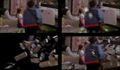 The next step is to match actual camera moves to digital camera moves.
 -
 Green riggings are used to support up actors and props, and are digitally erased.
 -
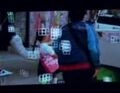 Then 3D objects are incorporated and camera track moves are adjusted for precision.
 -
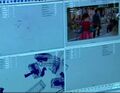 Finally, film grain, focus effects, and other aspects are added to enhance realism.
 -
 Adrian Pasdar is shot in front of a green screen.
 -
 Visual effects artists add motion blur and other elements.
 -
 A digital version of Nathan is created.
 -
 Filmed versions are replaced with digital versions.
 -
 Visual effects are most effective when they are not distracting, but enhance the story.


The Score
direct video link
Wendy Melvoin, Lisa Coleman, and Michael Perfitt (music engineer & mixer) discuss how they produce the instrumental score for Heroes. When Wendy and Lisa first read the scripts, they felt the score should be orchestral. Upon learning more of the characters' magical and mystical aspects, they thought that Shenkar's sound was needed because of his Indian, jazz, and experimental jazz influences. They believe his voice--especially when he sings just one note--is immediately identifiable as being unique to Heroes.
Michael Perfitt calls the process a "marathon" and likens it to doing an entire film score each week. Lisa believes the music is another character, an "alter ego". Wendy thinks it would be "hot" if Heroes ran as long as I Love Lucy.
-
 Scoring begins with spotting notes received in script reviews.
 -
 Note cards for each character are made to organize the vast stories.
 -
 Michael Perfitt takes the notes and adds cue locators.
 -
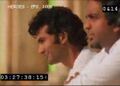 Each scene is a marked with a time code to identify an exact location in the scene.
 -
 Music is then written to coincide exactly with certain moments.
 -
 Instruments from around the world are used...
 -
 ...to add an element of timelessness, and so that every character is heard.
 -
 The musicians believe the music is the "glue" that links everyone together.


